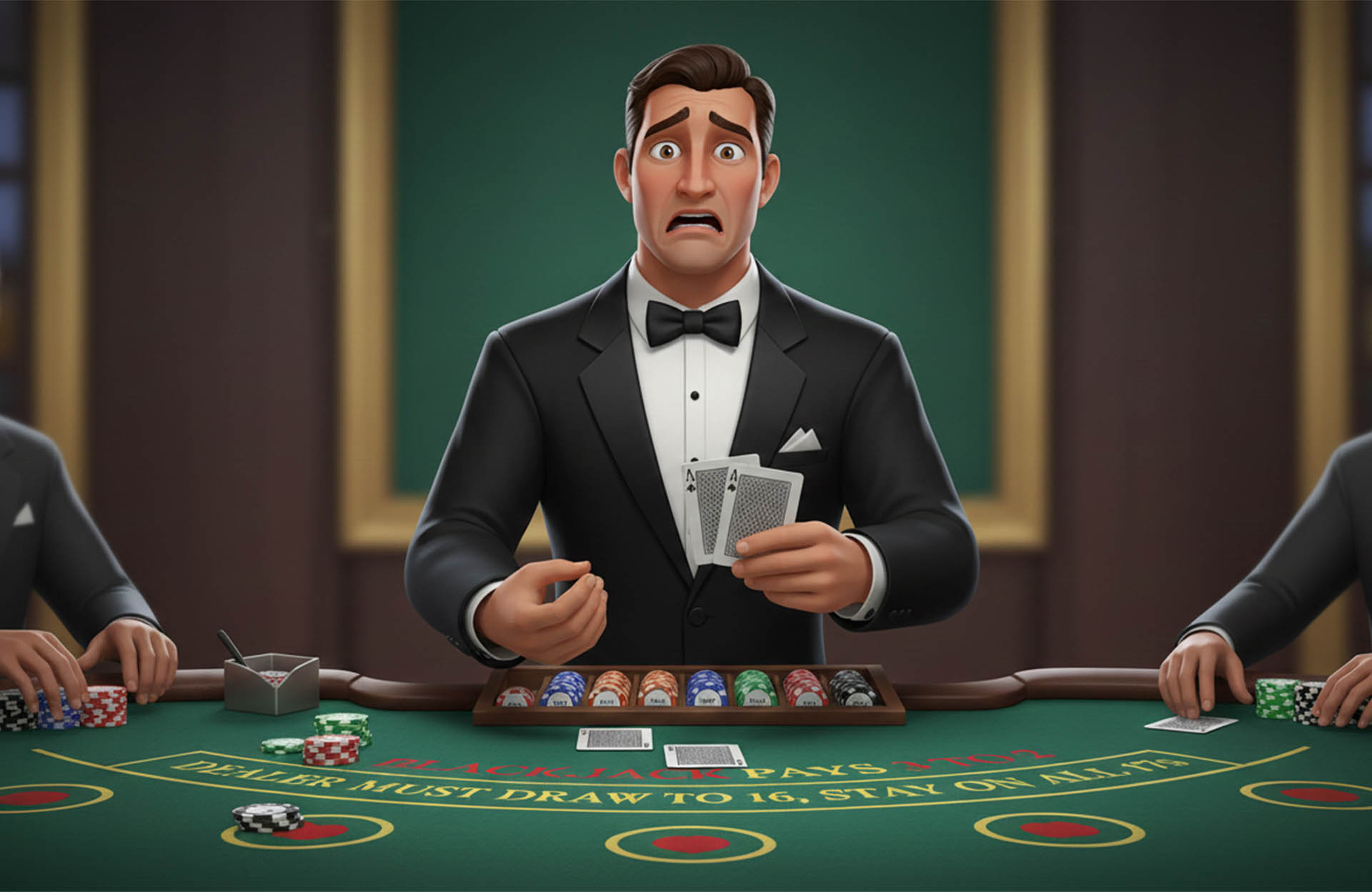
If a blackjack dealer accidentally overpays you $10,000, the casino can demand the money back, ban you from returning, and review surveillance footage to prove the error. With every hand recorded and tracked, big dealer mistakes rarely go unnoticed — even months later.
Now imagine realizing you just got paid ten grand you didn’t actually win. Do you celebrate… or start looking over your shoulder?
The $10,000 Moment: Dream Come True… or Not?
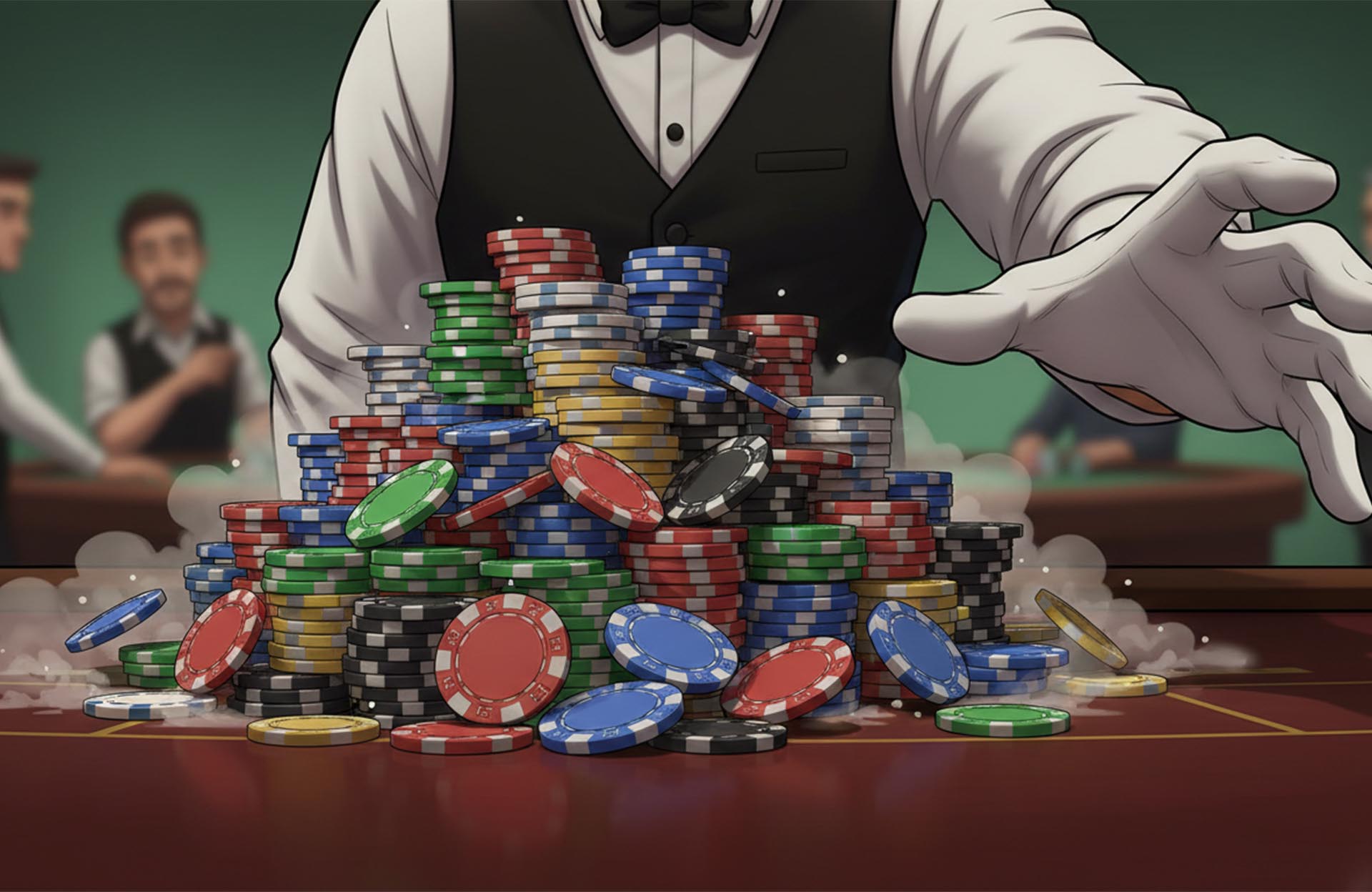
The cards land. The dealer does the math. Chips slide across the felt — a lot of chips.
More than there should be.
No one reacts. No alarms. No dramatic music.
You color up. Head to your room. Close the door. Heart pounding.
Did you just win the jackpot… or sign up for future trouble?
Casinos Don’t Ignore $10,000 Mistakes
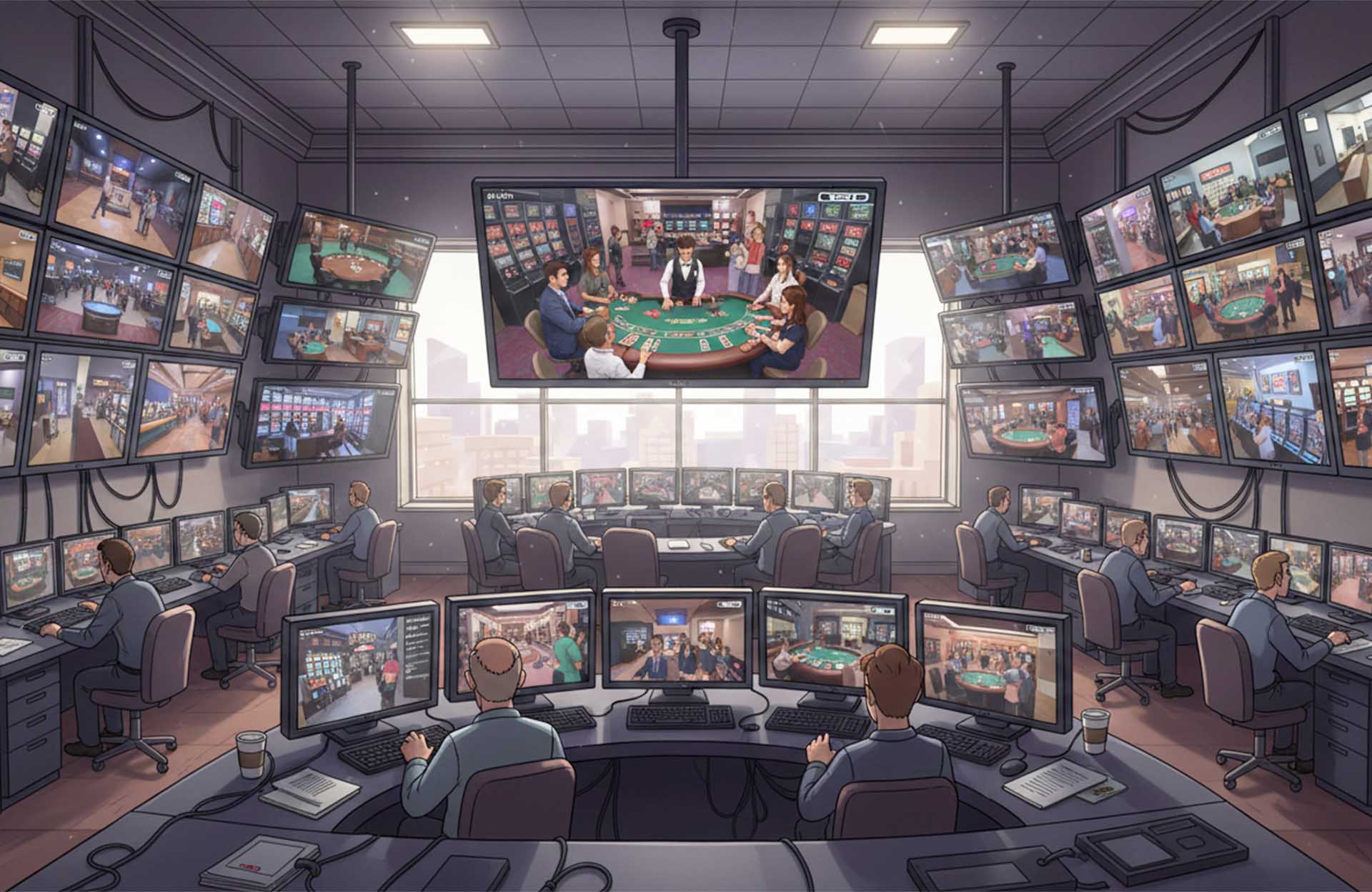
Here’s the reality most players underestimate: casinos are built on surveillance.
We’re not talking about a few dusty cameras in the ceiling. Modern casinos operate like high-security labs:
Every table is recorded from multiple angles
Every payout is logged digitally
Pit bosses track irregular bet sizes
High-value transactions trigger internal alerts
Facial recognition tech is increasingly common
A $10,000 blackjack dealer mistake isn’t a rounding error. It’s flagged.
And yes — sometimes they catch it immediately.
Other times? Months later.
Why Casinos Almost Always Catch It
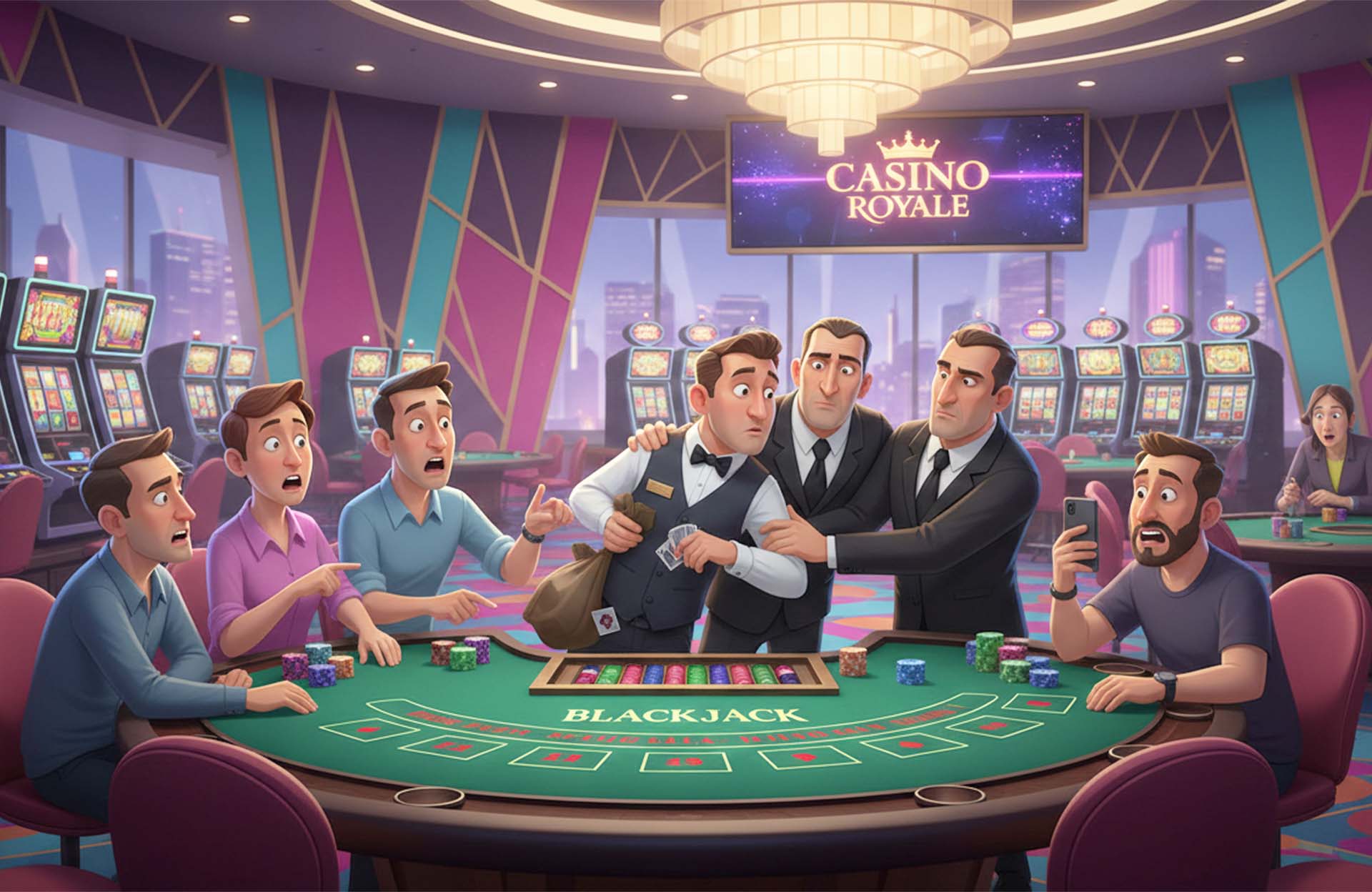
Here’s what most players don’t realize:
Casinos reconcile table totals at the end of every shift.
That means:
Chip inventory is counted
Dealer payouts are reviewed
Table win/loss numbers are compared against expected house edge
Irregular swings get flagged
If a blackjack table suddenly drops $10,000 outside expected variance, it gets attention fast.
Casinos don’t just rely on cameras.
They rely on math.
Why Casinos Never Forget Big Mistakes

Industry veterans have shared stories that sound almost unbelievable.
One player returned to his local cardroom after 18 months — only to be handed $400 he was previously underpaid. The casino had logged the mistake and waited until he returned.
Customer service? Absolutely.
But it works both ways.
The same player was once approached and told he’d been overpaid $200 on a previous visit. The floor offered to show surveillance footage. He simply handed over the chips.
Clean. Professional. No drama.
That’s usually how it goes — if you cooperate.
What If You Refuse to Pay?
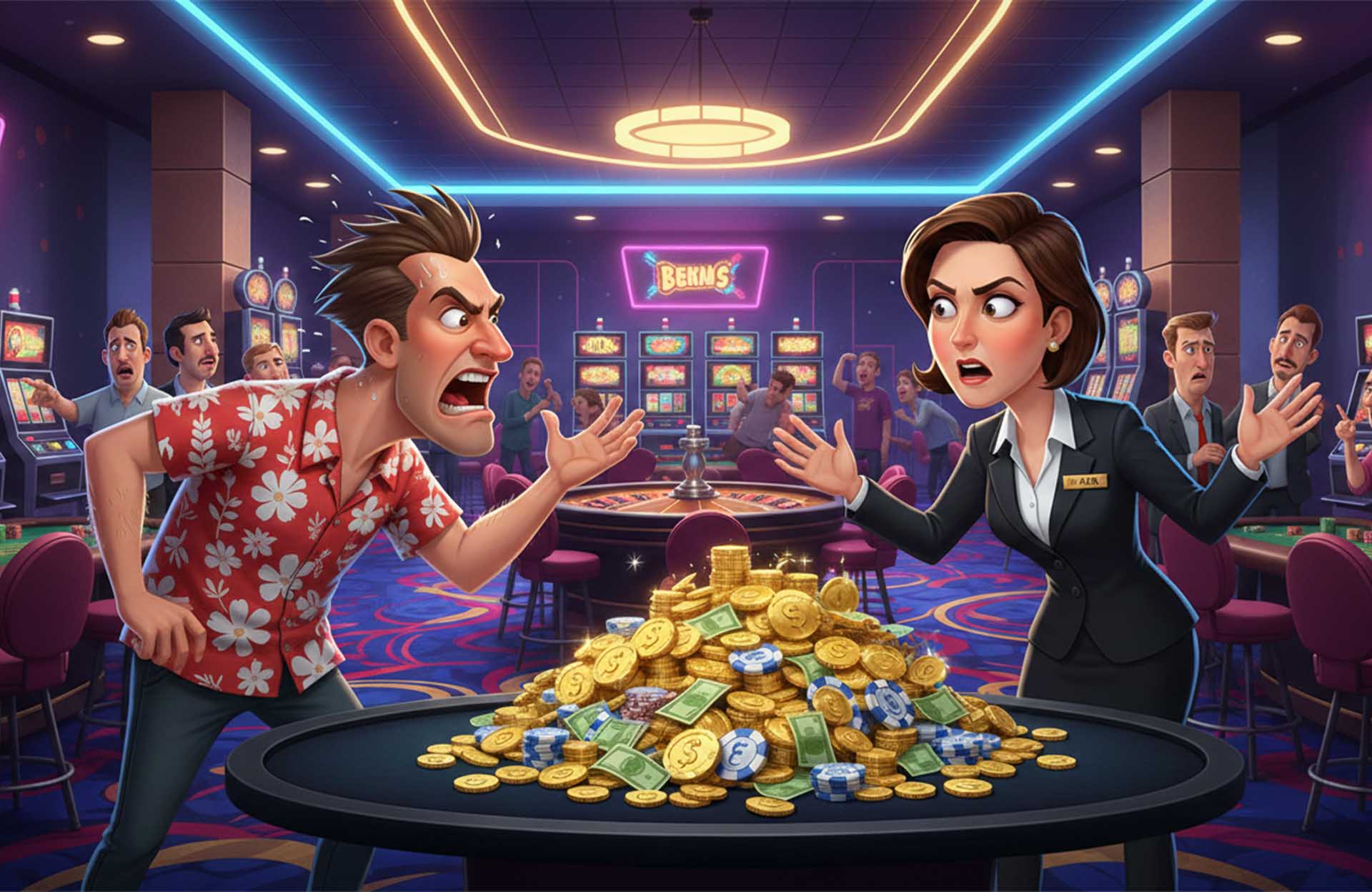
This is where the fun story turns serious.
If a casino proves you were overpaid and you refuse to return the money, possible consequences include:
Temporary ban until repayment
Permanent ban from the property
Shared exclusion across casino groups
Legal action in extreme cases
Casinos don’t like being embarrassed. And they definitely don’t like being short $10,000.
With player databases, ID tracking, loyalty programs, and facial recognition, disappearing forever isn’t as easy as movies make it seem.
What Happens to the Dealer?
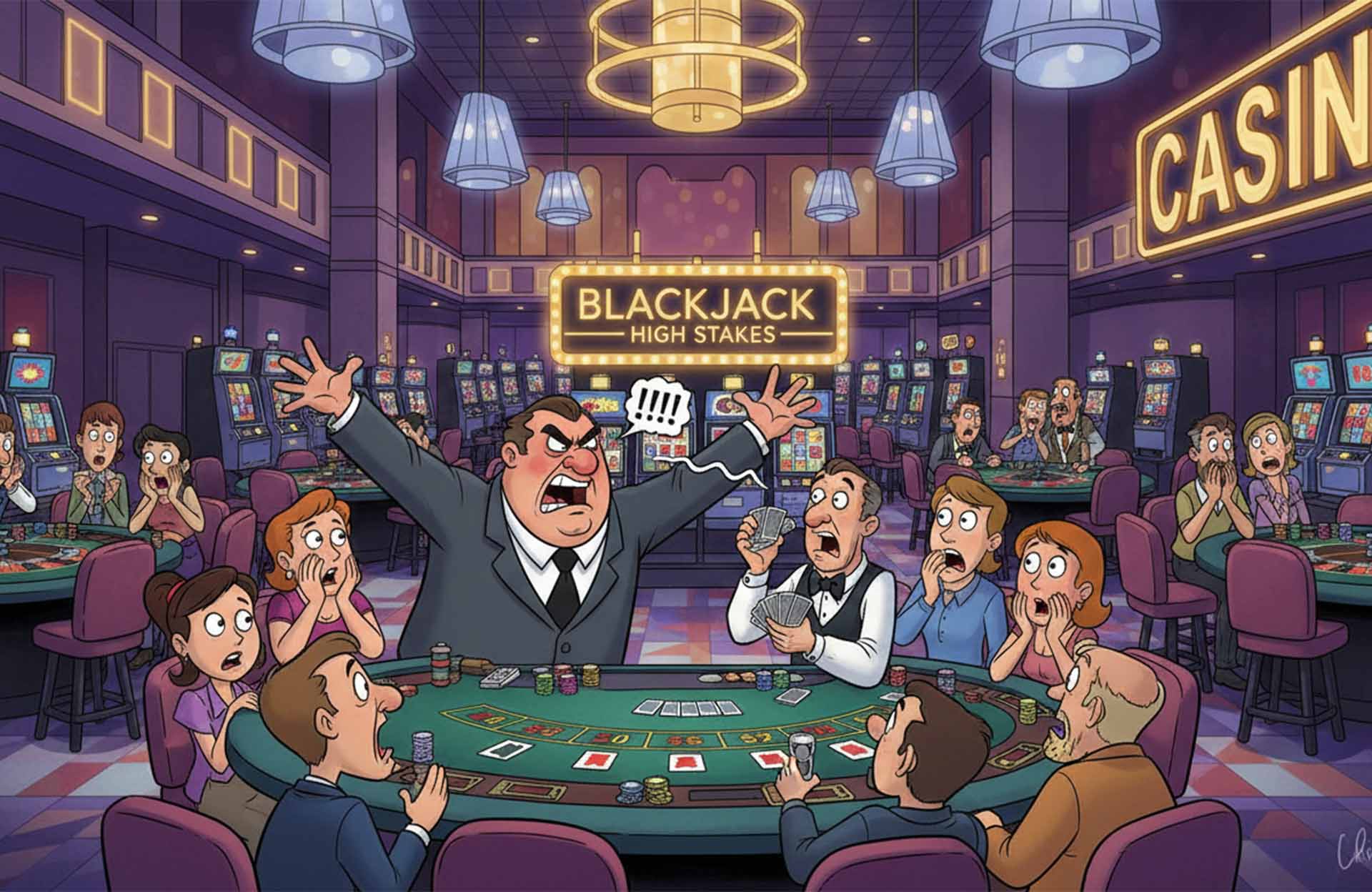
Here’s the part people rarely consider.
Dealer mistakes aren’t just awkward — they’re costly.
Depending on the casino:
Dealers may receive formal warnings
Tips can be withheld
Repeated errors can lead to termination
Some properties investigate for compliance reviews
Casinos operate on slim margins and strict regulations. Accuracy isn’t optional — it’s survival.
The House Edge Makes Cheating Unnecessary
Here’s the ironic twist: casinos don’t need your accidental $10,000.
Blackjack already gives the house a long-term edge (typically 0.5%–2% depending on rules and strategy). Over thousands of hands, math wins.
That’s why reputable casinos don’t “look the other way” on errors — they focus on compliance and reputation. Gaming licenses are worth more than one mistaken payout.
So… Should You Speak Up?

This is where personality meets principle.
Many seasoned gamblers follow a simple rule:
If you want to be treated like a valued player, act like one.
Casinos remember honest players. VIP invites, comps, better treatment — those relationships matter.
On the flip side, trying to exploit a blackjack dealer mistake can brand you as a problem player. And in the gambling world, reputation travels fast.
The Real Gamble Isn’t the Cards

A $10,000 dealer error feels like a once-in-a-lifetime score.
But in reality?
The bigger gamble is betting that surveillance systems, accounting audits, and casino memory won’t catch up to you.
Because they usually do.
In the world of iGaming and live casinos, every chip has a trail — and every mistake leaves a footprint.
So if lightning strikes at your table?
Enjoy the adrenaline.
Just remember: the house always checks the tape.