The 2026 FIFA World Cup will already be historic as the first tournament featuring 48 teams across the United States, Canada, and Mexico. But the action on the field may look very different as well.
FIFA has approved several new rules aimed at speeding up the game, reducing time-wasting, improving player behavior, and expanding the use of VAR. While officials believe the changes will improve the sport, some fans are already wondering whether they could create even more controversy.
Here are the biggest rule changes that could completely change the way 2026 World Cup matches unfold.
The Biggest Surprises in FIFA’s New 2026 World Cup Rules
Some of these updates make perfect sense. Others might leave players checking the rulebook twice before kickoff. Either way, expect less delay and a little more chaos.
1. Throw-Ins Now Come With a Five-Second Countdown
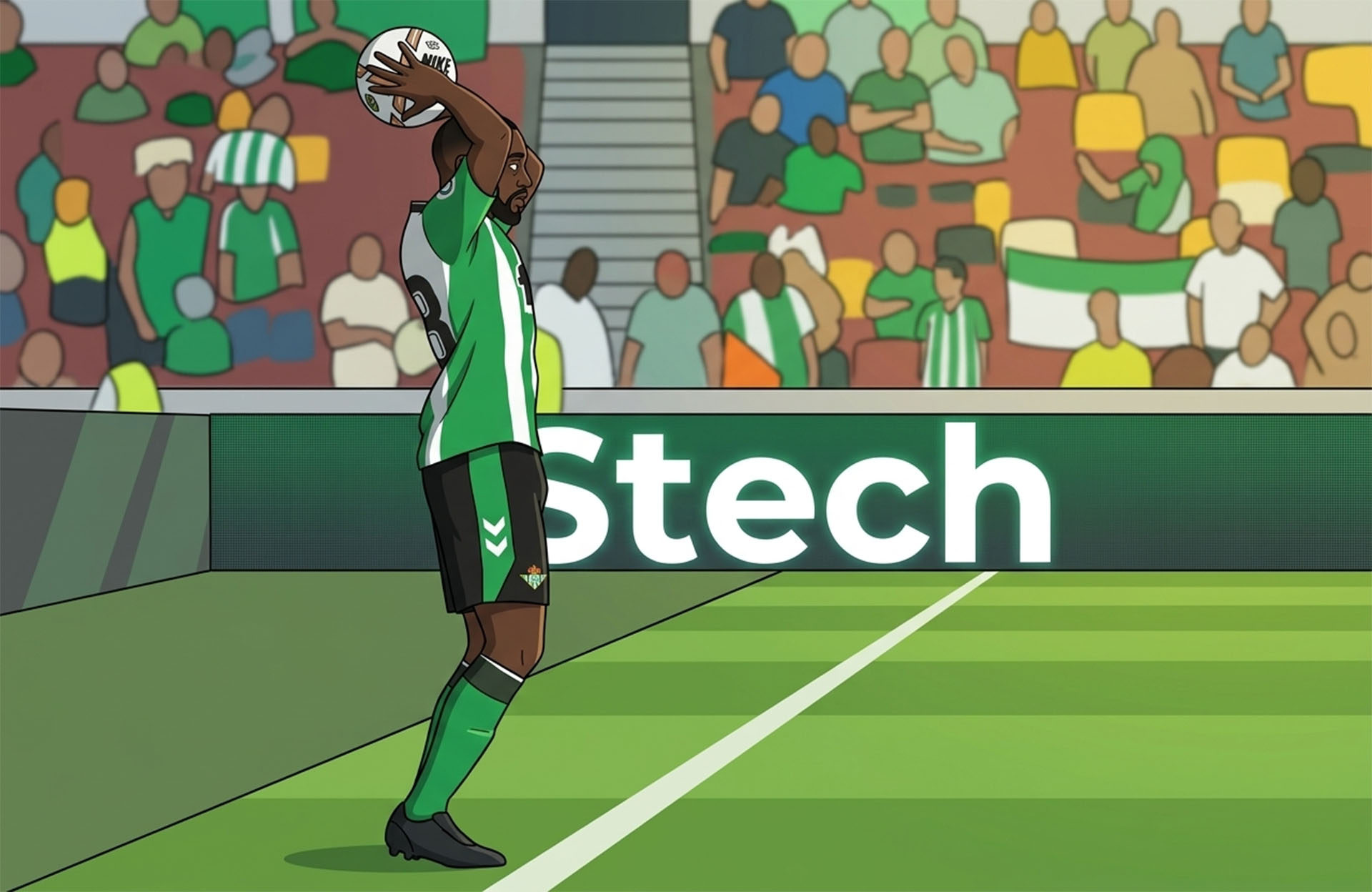
Ever watched a player stroll to the sideline like they’re taking a Sunday walk?
That won’t fly in 2026.
If a player deliberately delays a throw-in, the referee can begin a visible five-second countdown. Fail to put the ball back into play before time runs out, and possession goes straight to the opposing team.
In other words, the world’s slowest throw-in specialists might need a new hobby.
2. Goal Kicks Have a Five-Second Limit Too
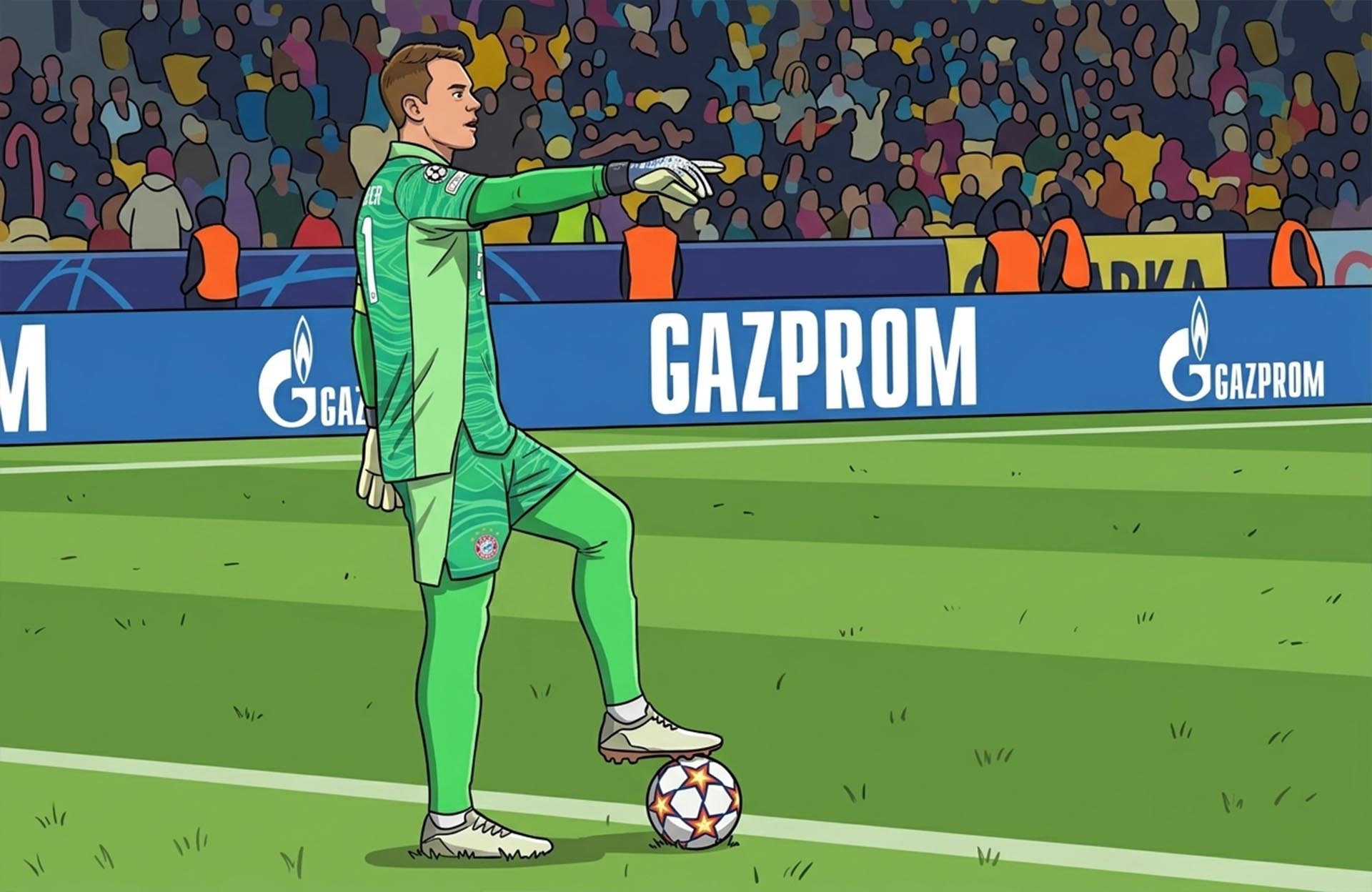
FIFA is also targeting one of soccer’s oldest tricks: the slow goal kick.
Once the referee signals the restart, teams will have just five seconds to take the goal kick. Miss the deadline and the punishment is severe:
The opposing team gets a corner kick.
That’s a pretty expensive price to pay for taking your time.
Expect goalkeepers to move much faster than we’re used to seeing.
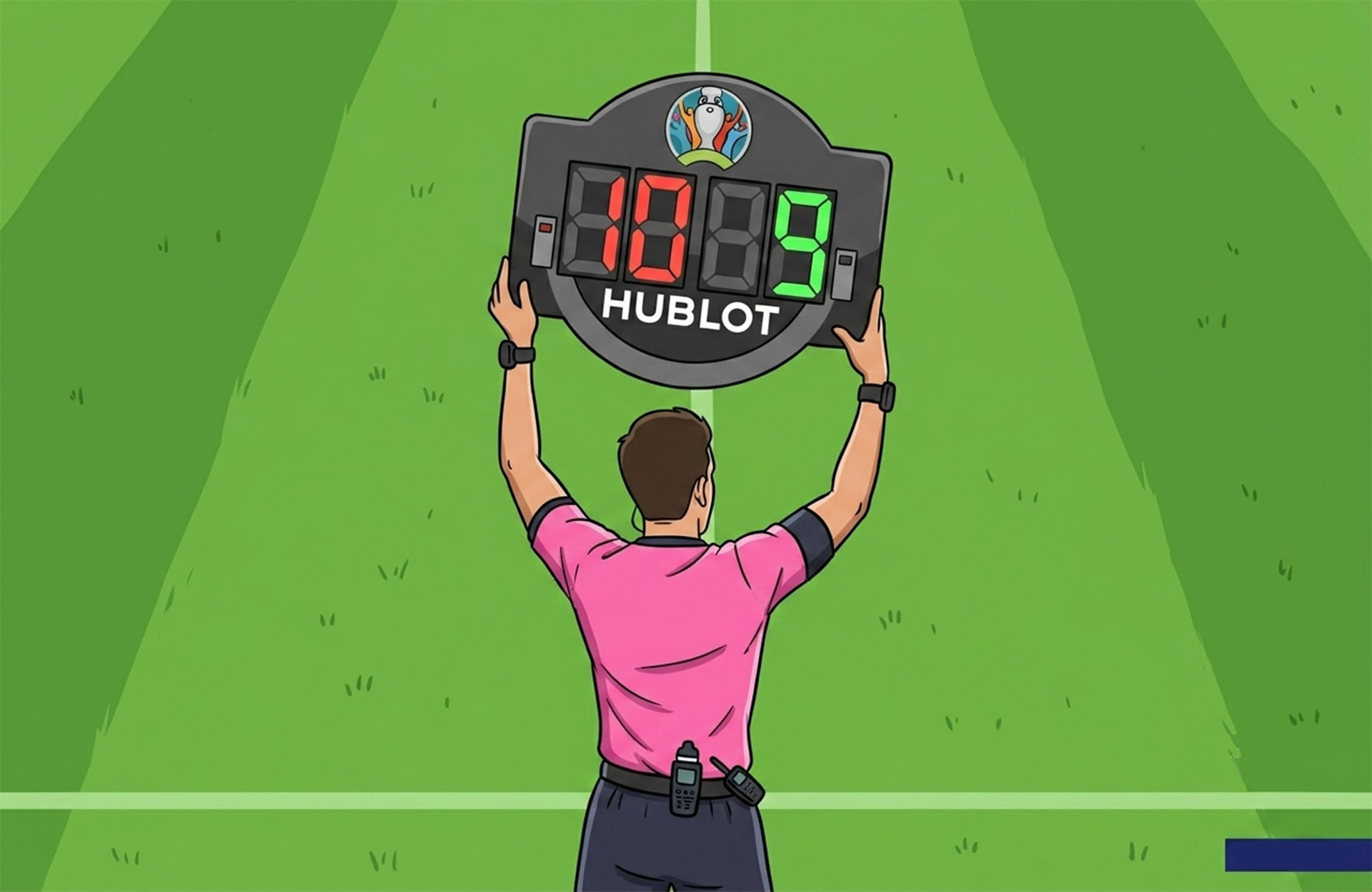
3. Slow Substitutions Could Leave Teams Short-Handed
This might be the most chaotic rule of the bunch.
Players being substituted now have only ten seconds to leave the field.
If they take longer, the substitution is delayed until the next stoppage. The twist? The player coming off still has to leave.
That means a team could temporarily play with one fewer player because someone decided to walk off the pitch like they were leaving a movie theater after the credits.
A similar situation already happened in a recent international friendly, and it immediately punished the offending team.
4. Players Covering Their Mouths Could Be in Trouble
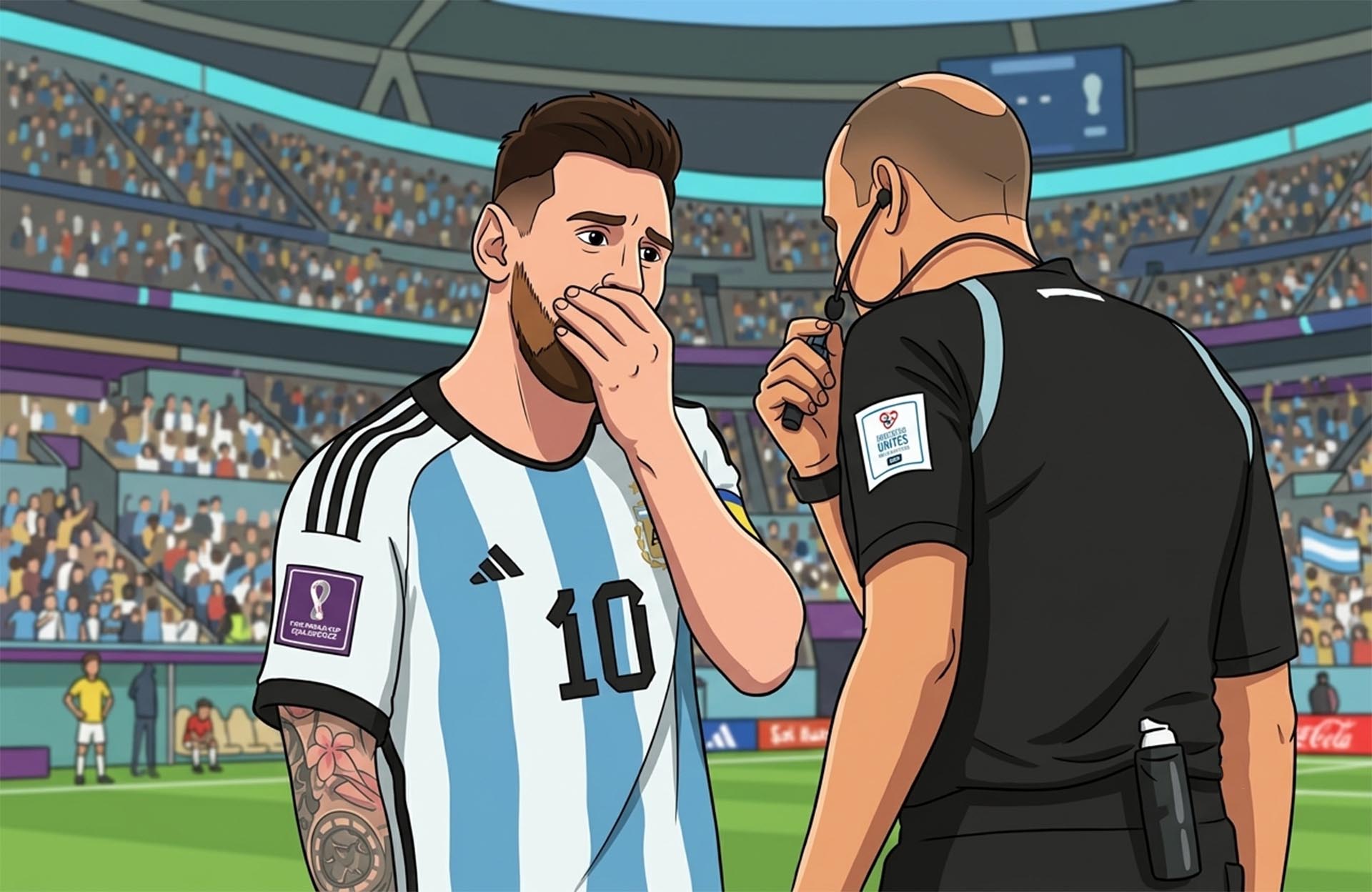
You know those heated arguments where players suddenly hide their mouths while talking?
FIFA wants less of that.
Under the new guidance, referees may punish players who intentionally cover their mouths during confrontations with opponents.
The goal is to improve transparency and reduce unsporting behavior.
So if you’re planning a dramatic on-field secret meeting, 2026 might not be the best time.
5. Walking Off the Pitch to Protest? Risky Move
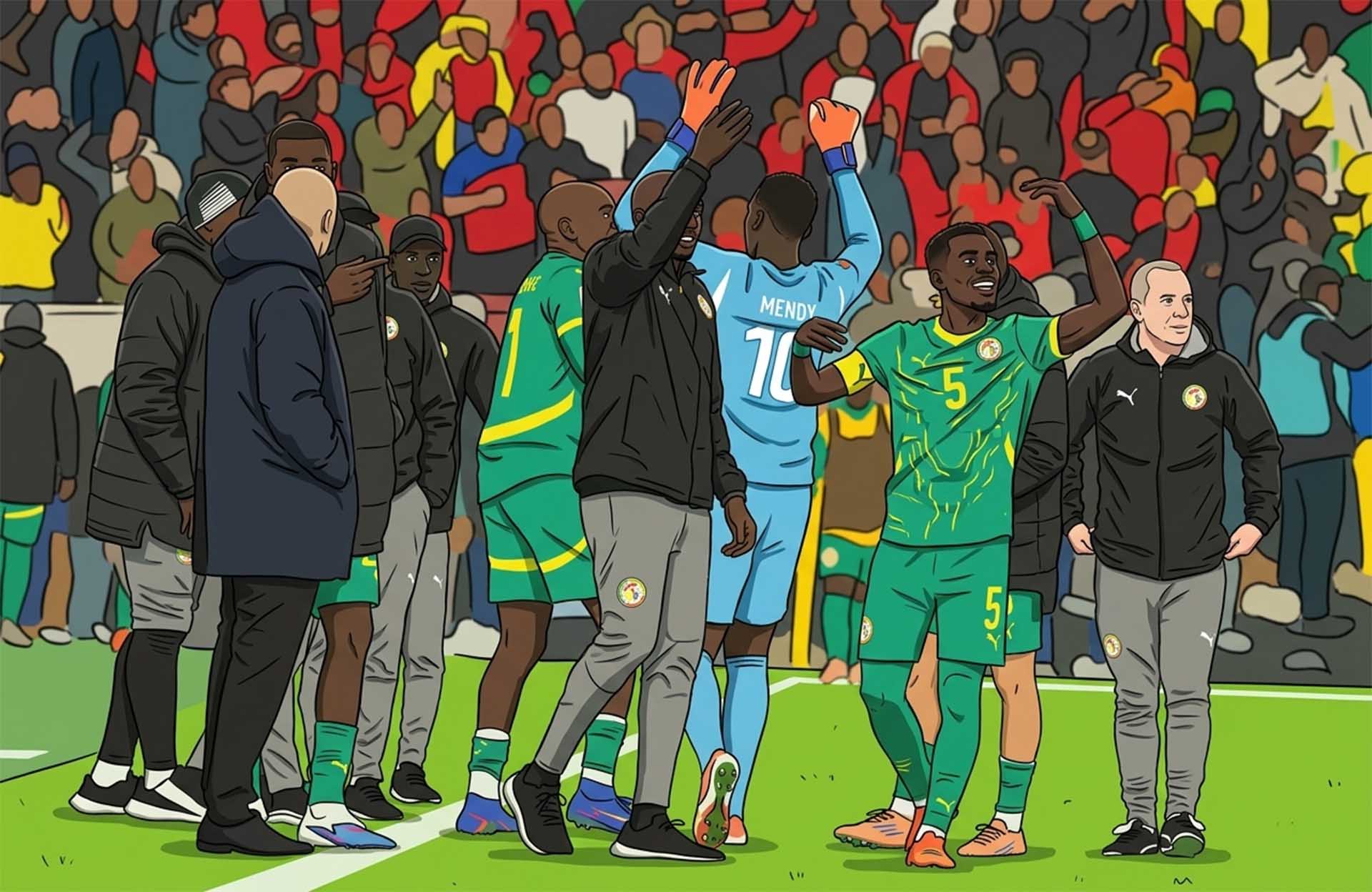
FIFA is also taking a harder stance on protests.
Players who leave the field in disagreement with refereeing decisions could face serious sanctions, including red cards.
Even coaches or staff members encouraging such actions may be punished.
And if a team causes a match to be abandoned?
They could lose the game by forfeit.
That’s a lot of consequences for a tantrum.
6. VAR Just Got Smarter
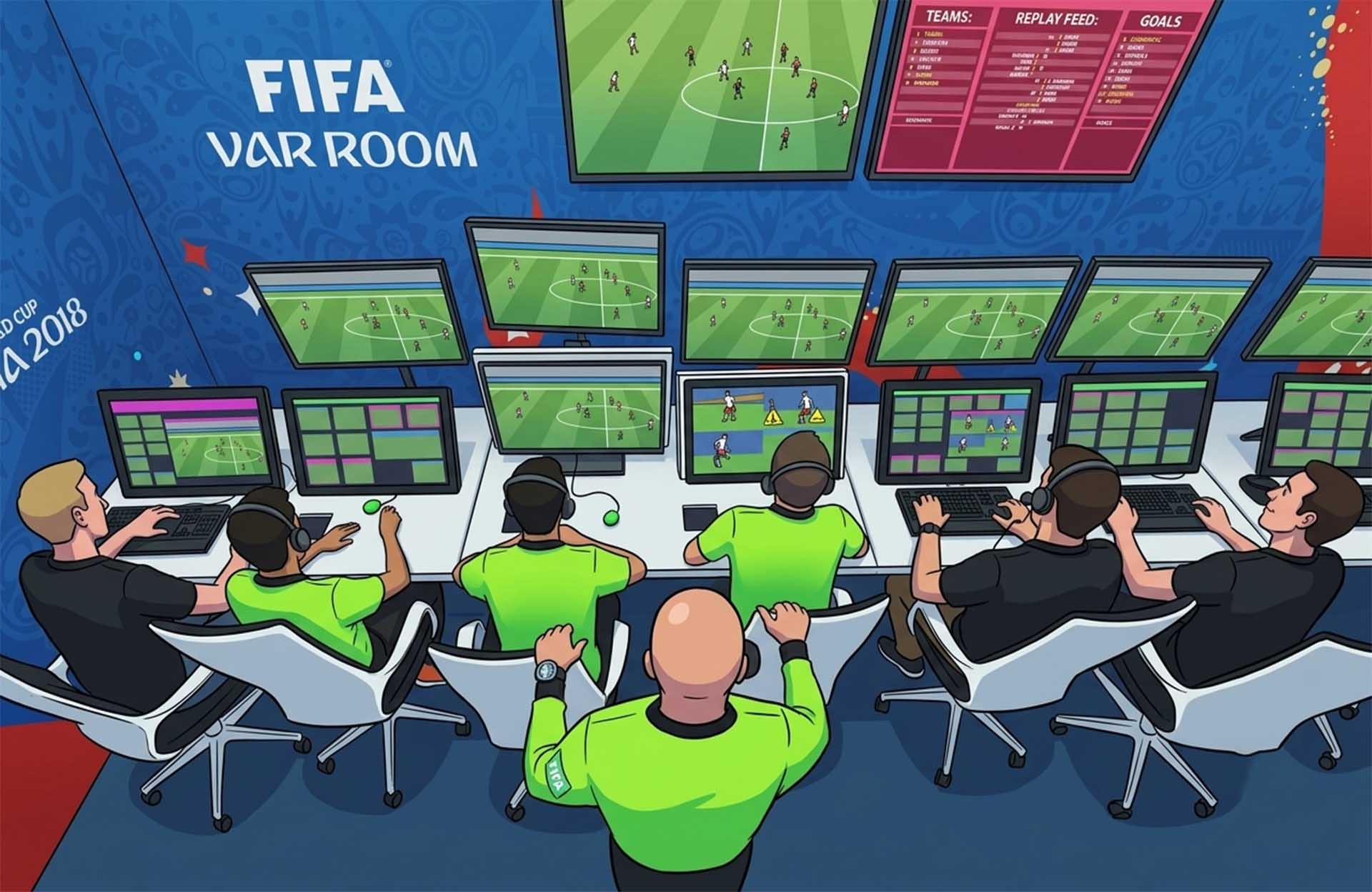
VAR will have more power than before.
The technology can now help correct situations involving:
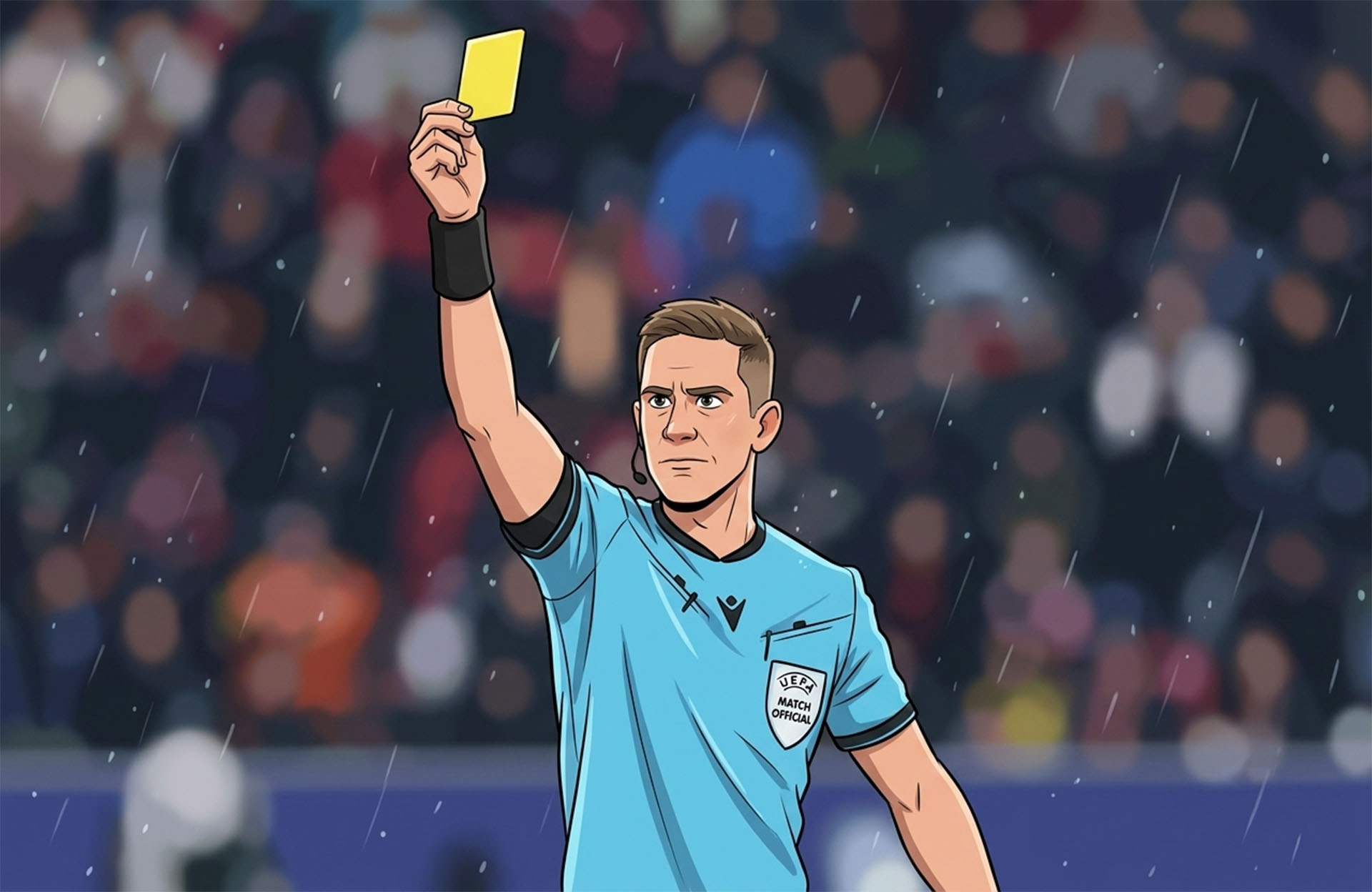
- Incorrect second yellow cards that lead to a red card.
- Cases of mistaken identity.
- Wrongly awarded corner kicks.
The corner-kick change may sound small, but fans know how often goals start from set pieces.
One bad decision can completely change a match.
Now FIFA hopes to catch those mistakes before the ball is put back into play.
7. Medical Treatment Means Time Off the Field
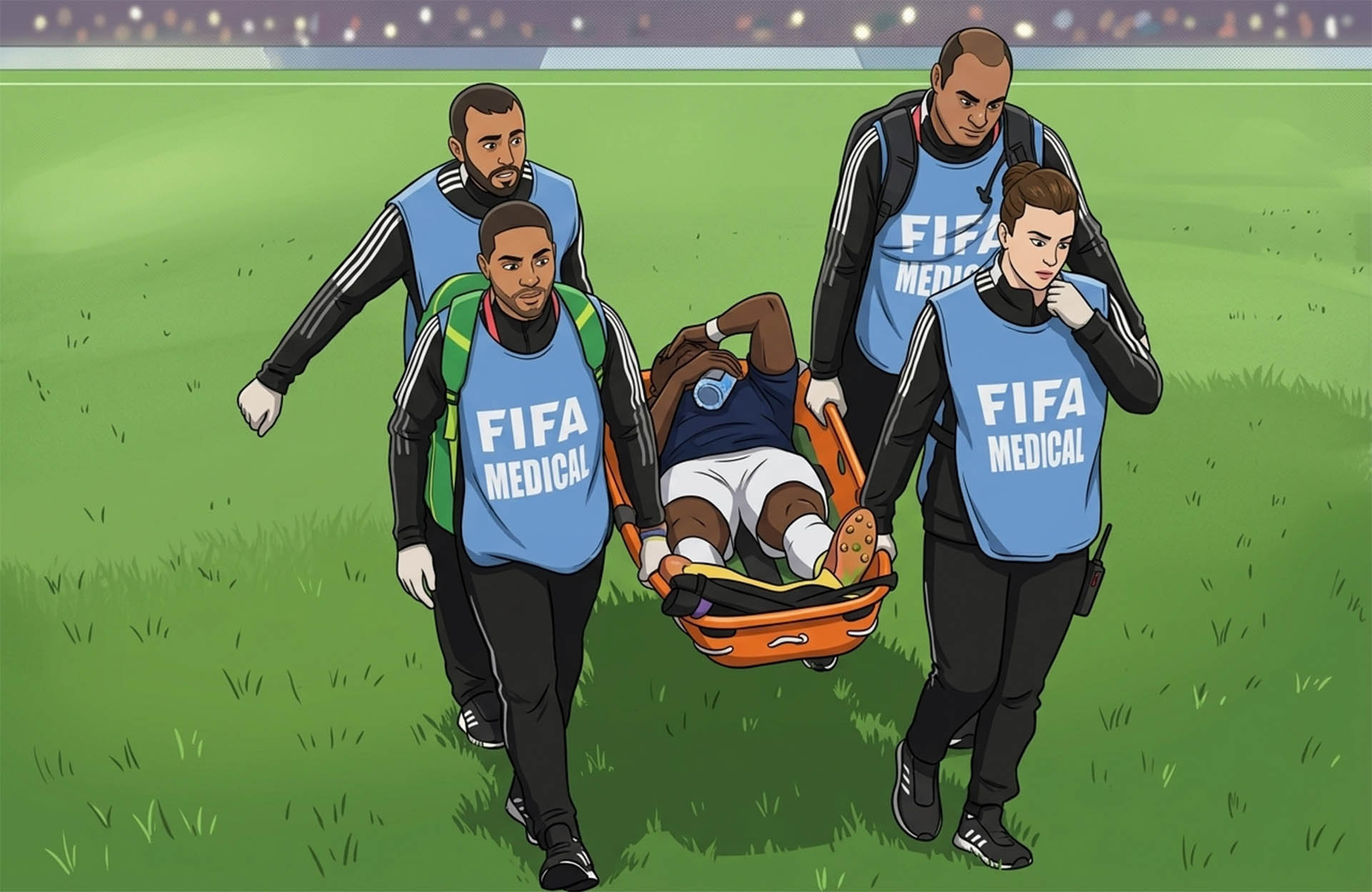
Another change focuses on injured players.
If a player receives treatment on the field, they will generally need to remain off the pitch for at least one minute before returning.
The idea is to discourage fake injuries while giving medical staff proper time to evaluate players.
It’s a rule that should help both player safety and match flow.
The Real Winners? Fans
Every one of these changes points in the same direction: fewer interruptions and more soccer.
Will all of them work perfectly?
Probably not.
Fans will definitely see a few hilarious moments when players forget the new rules and accidentally hand advantages to their opponents.
But if FIFA succeeds, the 2026 World Cup could feature faster matches, fewer delays, and less frustration.
And let’s be honest: nobody has ever said:
My favorite part of that game was watching a player spend 20 seconds pretending to look for a teammate on a throw-in.