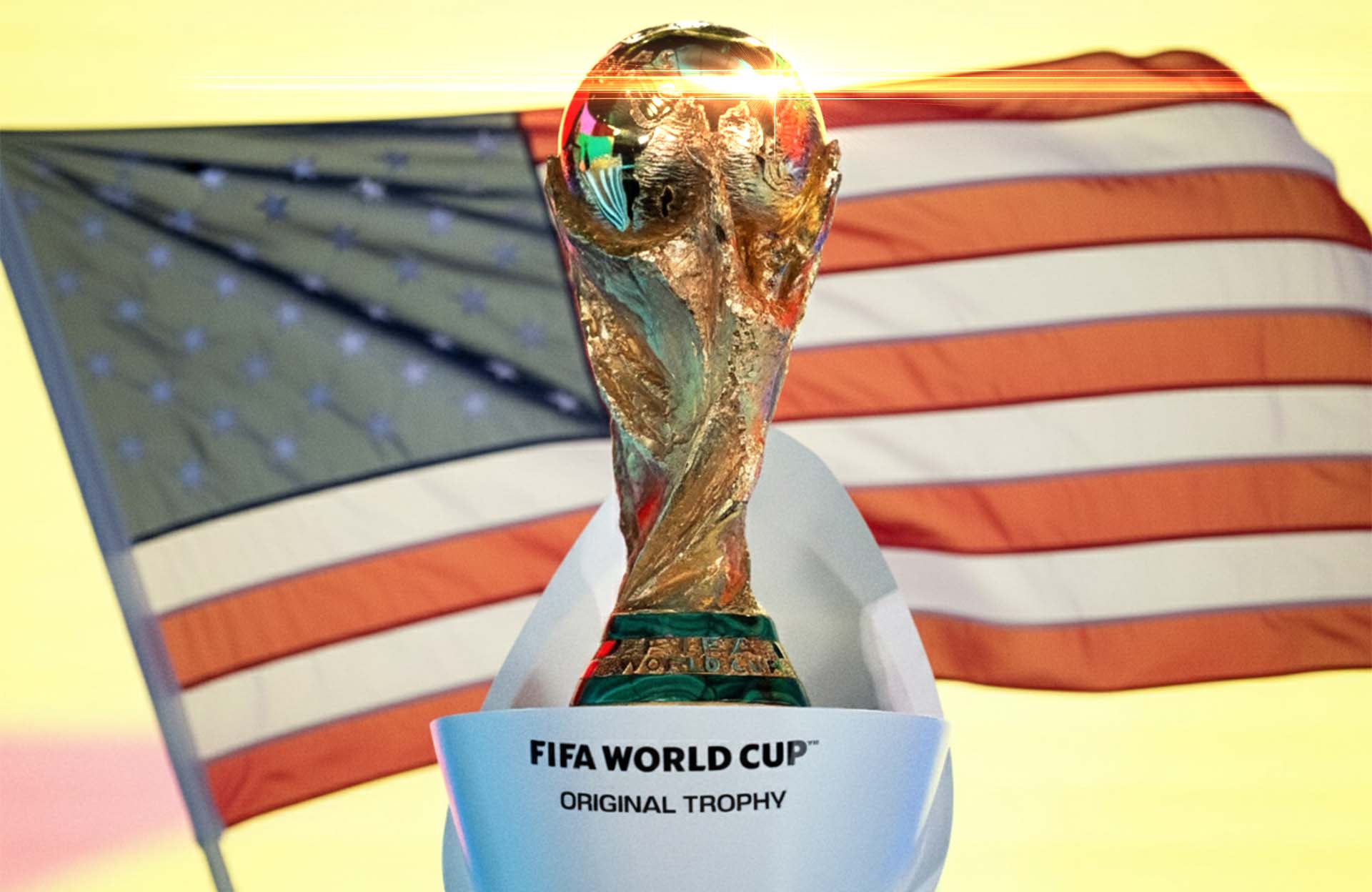
The 2026 World Cup is getting closer, and the United States is already gearing up to welcome a wave of fans from every corner of the globe. More than 1.24 million visitors will land on American soil to experience a soccer celebration that promises to be as massive as it is unpredictable.
The figure is so huge it’s almost hard to picture. Even so, the tournament is set to ignite an unprecedented tourist surge—so much so that many experts believe it will completely reshape hotel activity and the daily rhythm of several cities for over a month.
A country transforming to host the World Cup frenzy
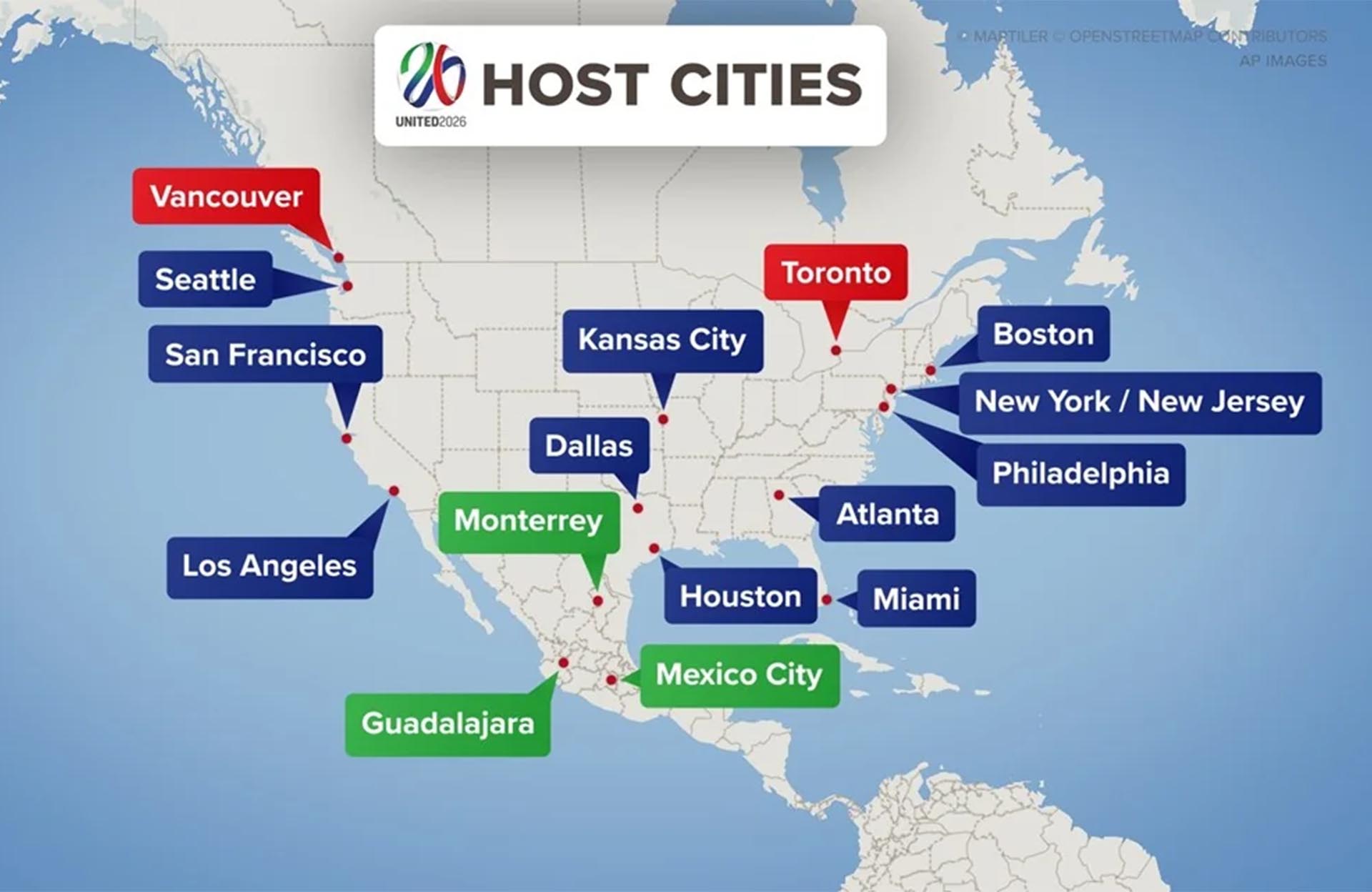
A Tourism Economics report estimates a 60% jump in international arrivals driven by the tournament. Even more striking, 742,000 of those trips simply wouldn’t happen without the World Cup. In other words, soccer doesn’t just stir emotions… it fills airports too.
On top of that, about 40% of stadium-goers are expected to be international visitors. And they’re not coming for just a single match: the average fan plans to attend two games while in the country. It makes perfect sense considering the celebration will stretch beyond five weeks—plenty of time to explore stadiums, cities, and rivalries.
Picture a New York subway packed with Brazilian fans singing while English and Argentine supporters debate who the real favorite is. That’s pretty much the soundtrack of the summer of 2026.
Hotels at full capacity and cities bracing for record-breaking crowds
If there’s one industry particularly thrilled about this soccer fest, it’s hospitality. Forecasts point to a 25% jump in bookings, numbers many destinations only see during their most coveted peak seasons.
Cities like New York, Dallas, and Miami—key players in the later stages—stand to benefit the most. In June 2026, revenue per room could rise between 2.5% and 7%. Add July, when the decisive matches take place, and some cities may finish the year with total revenue growth ranging from 1% to 5%.
For a sector that struggled through a tough 2025, the World Cup feels like scoring in the final minute: a timely and much-needed boost everyone is ready to celebrate.
The fan bases expected to travel the most (and the surprises that might pop up)
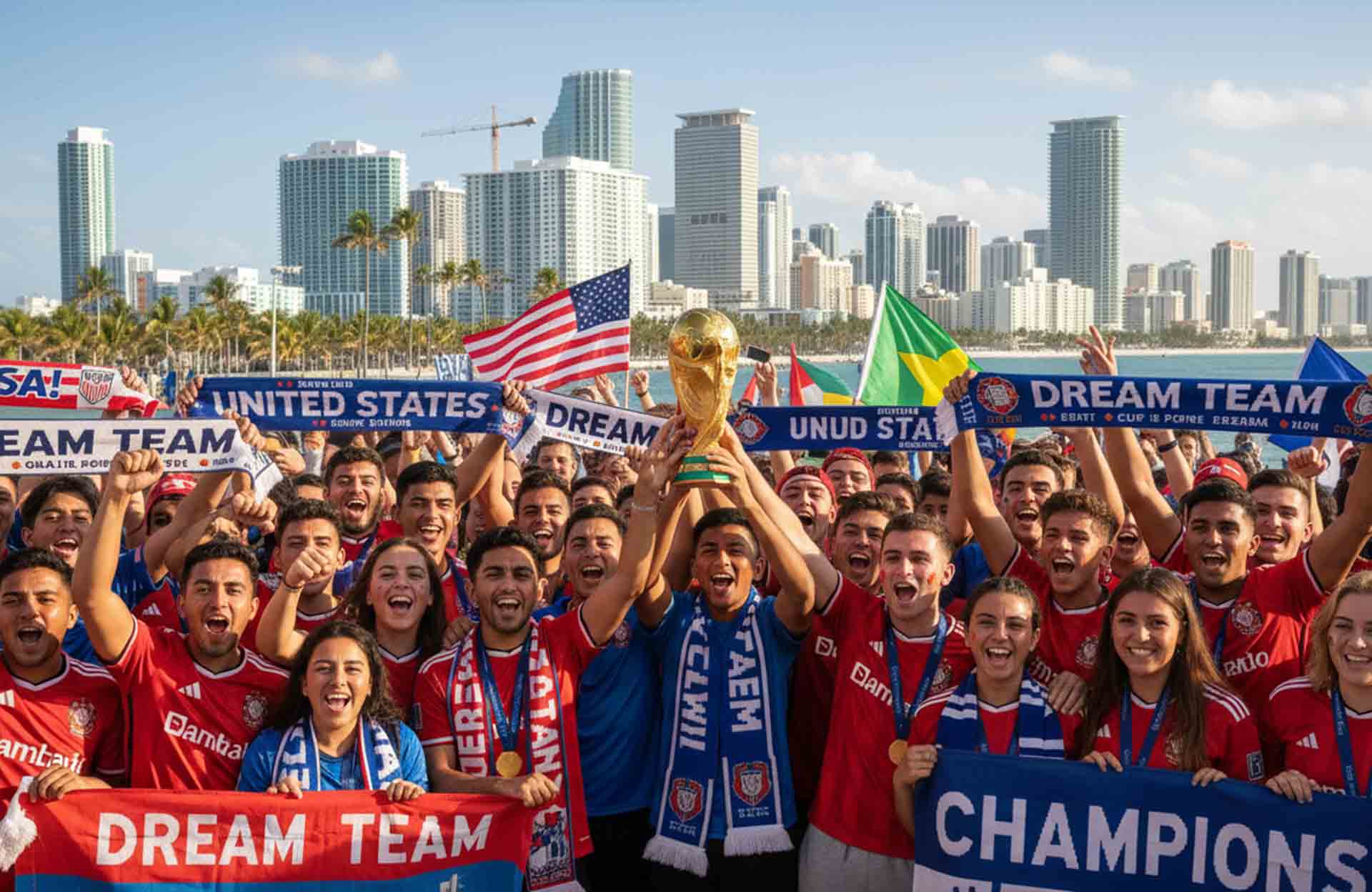
A tournament wouldn’t be complete without its emotional heartbeat: the fans. According to the study, Argentina, Brazil, France, and England will send the largest contingents. It’s the usual mix—fiery passions, huge flags, and chants you can hear from blocks away.
Even so, there’s always the chance of a “surprise team.” When an unexpected contender starts advancing through the rounds, its supporters suddenly feel they’re living a once-in-a-lifetime moment. Then thousands decide to pack their bags. That’s when the World Cup becomes truly unpredictable… and unforgettable.
This edition will also be the biggest in history, featuring 48 national teams and 104 matches, 78 of which will take place in the United States. The final is set for July 19 at MetLife Stadium, likely in front of a multicolored crowd that will turn New Jersey into the center of the soccer universe.
Tickets, the draw, and sky-high expectations: the fever has already begun
We may not yet know the group-stage matchups, but demand is already wild. After the first ticket draw in September, FIFA surpassed one million tickets sold, and the result of the October draw is still pending. No one doubts the numbers will keep climbing.
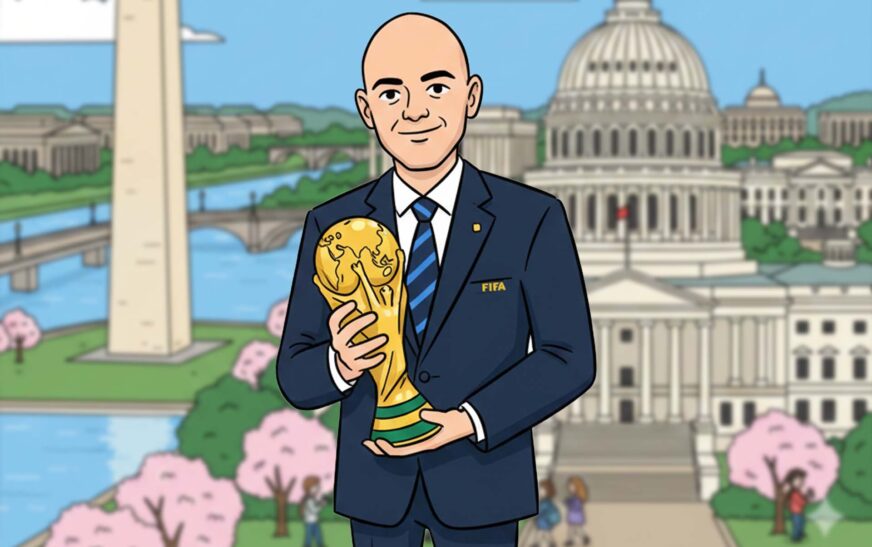
The next big milestone is the group-stage draw in Washington, D.C., where we’ll finally learn which cities will host which national teams. That day will set everything in motion—hotel bookings, flights, prices, and of course the hopes of fans dreaming of watching their team play in a U.S. stadium.
A World Cup that promises to be different… and enormous
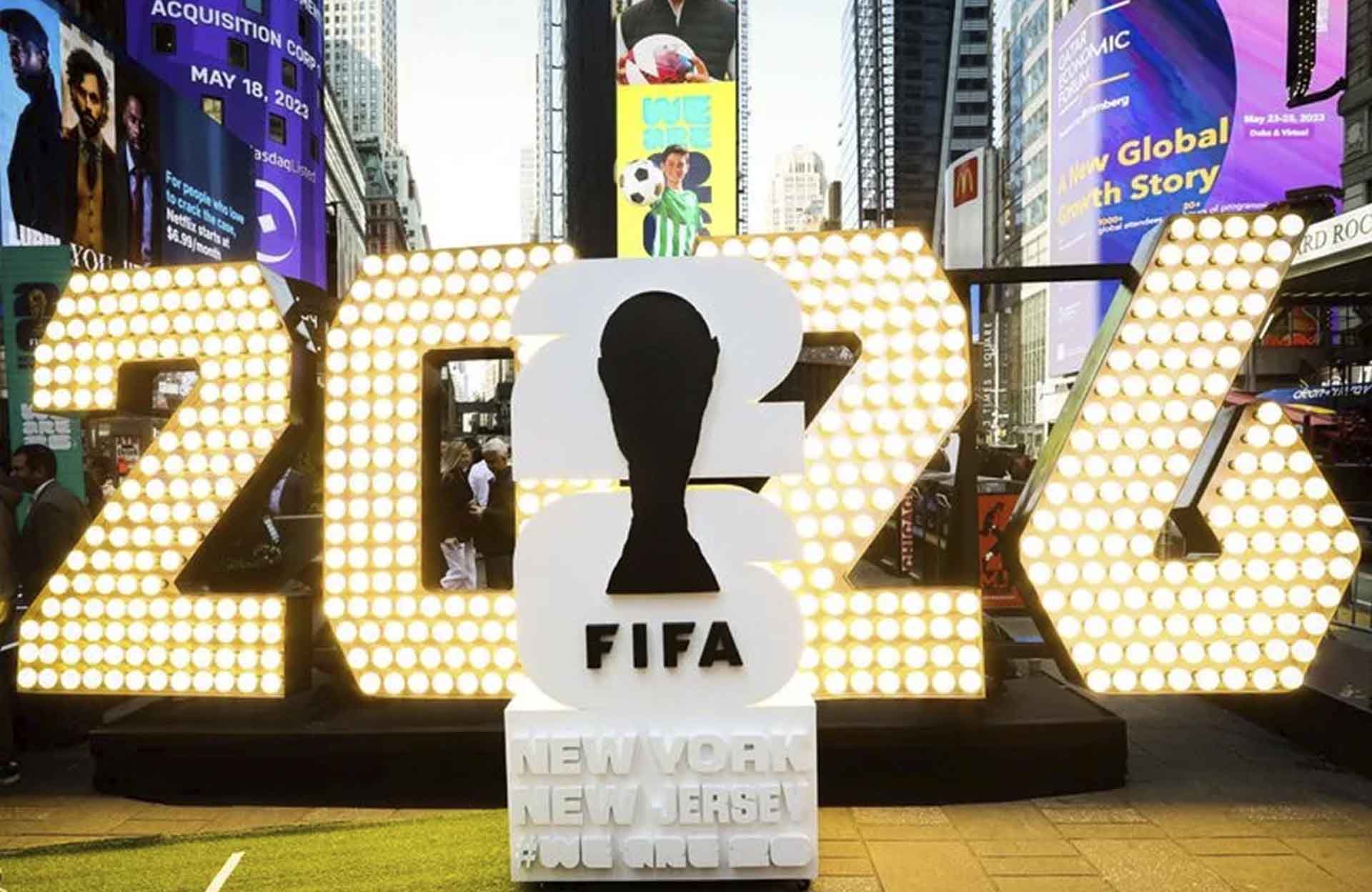
Experts say it, but anyone can sense it: this World Cup won’t be just another edition. It’ll be an event blending cultures, accents, jerseys, and emotions on a grand scale. A historic moment for the United States to showcase its most spirited and welcoming side.
So, have you started thinking about which city you’d like to visit? Because one thing is certain—soccer is about to prove once again what it’s been doing for decades: bringing millions together in a shared cheer, even if each voice uses a different language.